Whale season in Australia: when the whales head down under
Winter in Australia means shorter days, cooler temperatures and a few extra layers, but out in the ocean, something rather spectacular is happening. Each year, thousands of whales make their way through Australian waters as part of one of the longest wildlife migrations on the planet. For Australians, this is simply known as whale season.
Each year the Humpback Whale and the Southern Right Whale visit Australian waters, but they have quite different travel plans.
The Humpback Highway
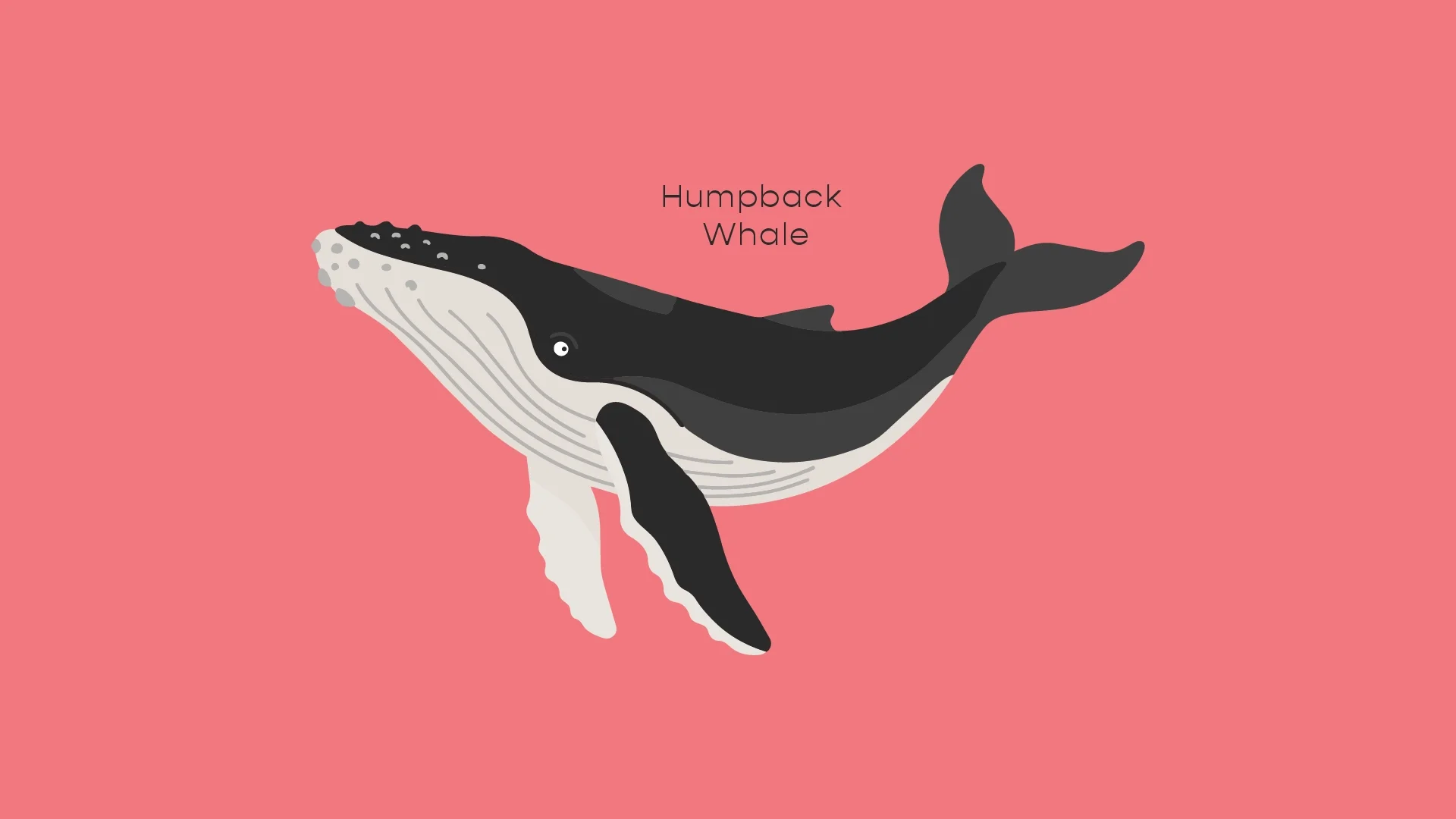
Humpback Whales are the great travellers of the Australian coastline. Each year, they make an enormous journey between their feeding grounds in the cold, food-rich waters around Antarctica and warmer tropical waters where they breed and give birth. As winter approaches, humpbacks head north along both Australia’s east and west coasts.
On the east coast, whales travel north towards warmer waters around Queensland, with some continuing into tropical areas. Later in the year, they turn south and begin the long journey back towards Antarctica.
On the west coast, the migration follows a different route. Humpbacks travel north along the Western Australian coastline towards the Kimberley, where the warm tropical waters provide important breeding and calving habitat. They then make their way south again later in the year, passing areas including the Pilbara and Ningaloo coast.
Later in the year, the whales turn around and make the long journey south again, returning towards the rich feeding grounds of Antarctica. Mothers may make the journey with calves born during their time in warmer waters. That’s a seriously long commute.
Why do the whales go north?
It’s largely about food and family. The waters around Antarctica are rich in krill and small fish, making them excellent feeding grounds, while warmer tropical waters provide better conditions for breeding and raising calves. Female humpbacks are pregnant for around 11 to 12 months and usually give birth to one calf, which stays close to its mother as it learns to swim, breathe and eventually make the enormous migration itself. So, a mother and calf travelling together is one seriously impressive family trip.
Our south coast visitors
The Southern Right Whale has a different relationship with Australia. Rather than travelling along much of the east and west coastline like humpbacks, southern right whales are particularly associated with the southern coast of Australia.
During the cooler months, they move into sheltered coastal waters where females can give birth and raise their calves. They can be found along parts of southern Western Australia, South Australia and Victoria, including areas around the Great Australian Bight.
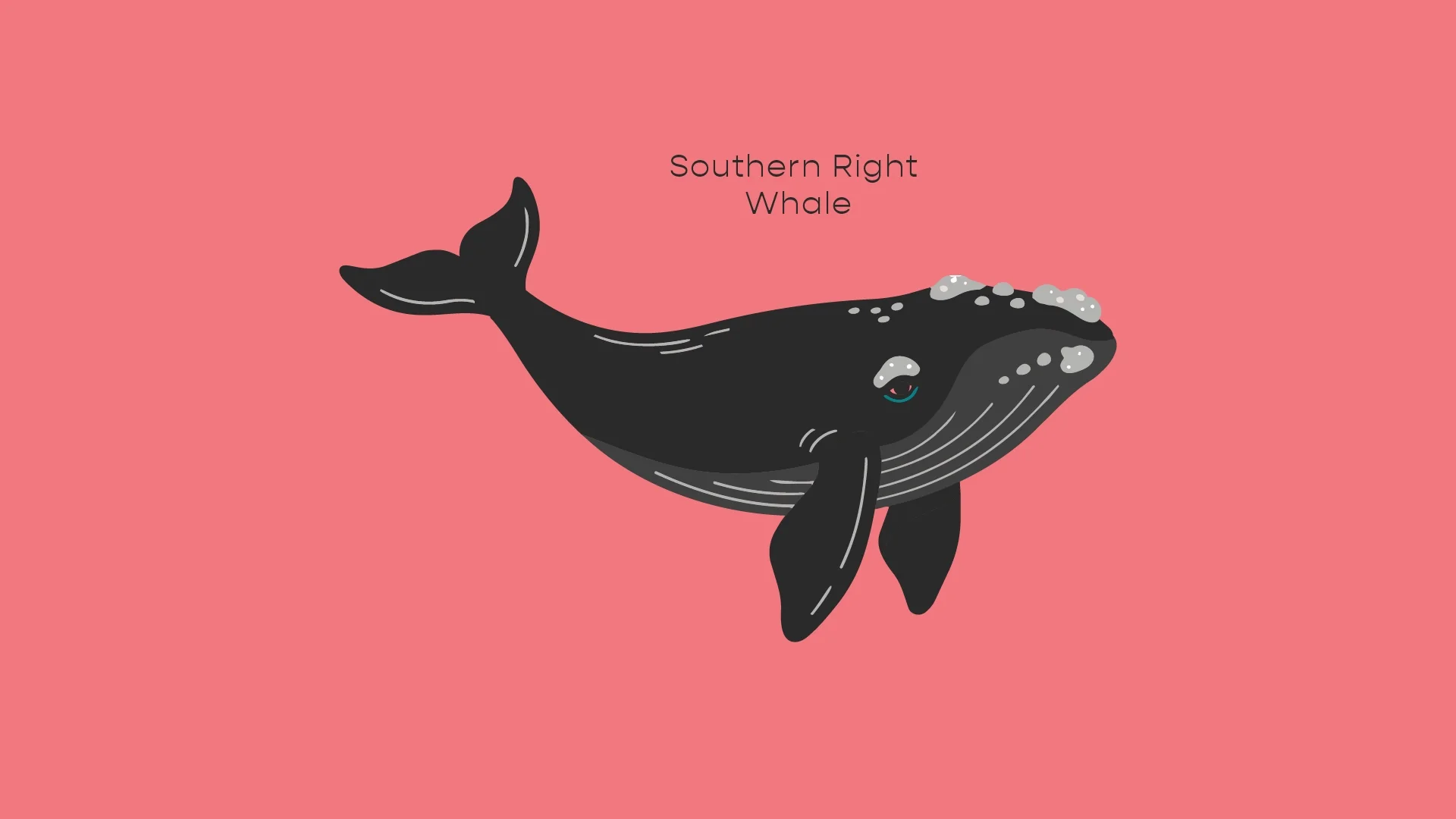
Southern Right Whales are also rather distinctive. They’re large, rounded and don’t have a dorsal fin. They have enormous heads, and many have unusual pale, rough patches called callosities on their heads and faces which are used to identify them.
Humpback or Southern Right?
Although both are baleen whales and both migrate, they’re quite easy to tell apart once you know what to look for.
Humpback Whales are famous for their long flippers, dramatic breaches and spectacular tail slaps. They’re also known for the complex songs produced by males.
Southern Right Whales have a much more rounded shape, enormous heads and no dorsal fin. They’re often seen closer to the coast, particularly when females are calving.
When is whale season?
There isn’t one single whale season across the whole country because Australia’s coastline is enormous and different species follow different migration patterns.
For Humpback Whales, the northward migration generally happens during the cooler months of June to September, followed by the journey south later in the year around September to November.
Southern Right Whales generally spend the cooler months around southern Australian coastal areas, particularly between about April or May and October.
So if you’re in Australia during winter and spring look out for the whales.
Where can you find them?
Whales can be seen along a huge stretch of Australia’s coastline.
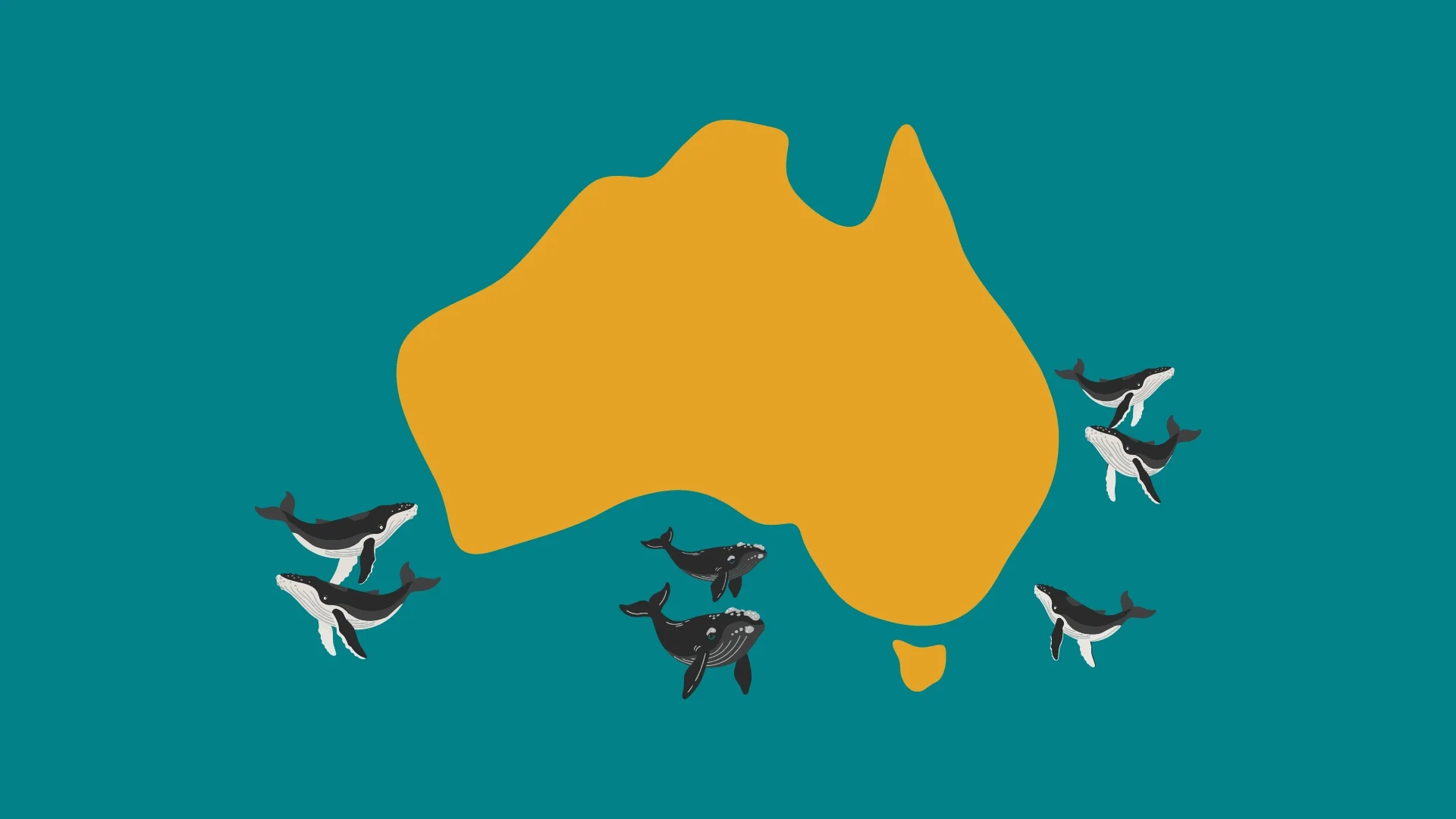
Humpback Whales travel along both the eastern and western coasts, with important areas around Queensland, New South Wales, Western Australia and the Kimberley.
Southern Right Whales are more closely associated with the southern coastline, particularly Western Australia, South Australia and Victoria, including parts of the Great Australian Bight.
Australia has identified important areas where whales migrate, feed, rest and raise their young, helping researchers understand these incredible journeys and protect the habitats they depend on.
A few whale words to know
Whales also give us some great vocabulary.
A breach is when a whale launches part or most of its body out of the water.
A blow is the puff of air and water vapour you see when a whale surfaces to breathe.
A fluke is one of the two lobes of a whale’s tail, and you’ll often hear people talk about seeing a whale’s fluke as it dives.
A calf is, rather adorably, what we call a baby whale.
And whale migration simply describes the seasonal journey whales make between their feeding and breeding areas.
These are useful words to know if you’re spending time around the Australian coast, particularly during whale season.
A whale of a way to learn Australian
If you’re learning Australian English, whale season is a great example of how language, landscape and culture all come together. Whale season becomes part of regular conversations along the coastlines during the winter and spring months. You’ll hear Australians talking about the whales, hoping to see the them passing and maybe breaching…it’s very special to see our big visitors who can be surprisingly close to shore. 🐋🇦🇺