15 things you need to know to survive Australia
Australia is one of the most beautiful and fascinating countries in the world, but it can also be a little dangerous. From powerful wildlife and harsh climates to strong beer and the scorching sun, here are a few unofficial Australian “survival tips”.
Always carry water
This might be the most important survival tip of all. If you leave urban areas in Australia, always carry several litres of water with you. Temperatures can rise quickly, and dehydration can happen faster than many visitors expect.
When travelling through remote regions or national parks, proper preparation is essential.
Sunscreen is not optional
Australia has one of the highest UV levels in the world, and the sun can be much stronger than many visitors expect. Even on cooler or cloudy days, it’s very easy to get sunburnt in a short amount of time.
Australians grow up hearing the famous sun safety message from the Slip-Slop-Slap Campaign: Slip on a shirt, Slop on sunscreen, and Slap on a hat.
When spending time outdoors, make sure you apply good quality SPF sunscreen, wear a hat, sunglasses and protective clothing, and reapply sunscreen regularly. A little preparation goes a long way in avoiding the classic tourist mistake of becoming bright red on your first day in Australia.
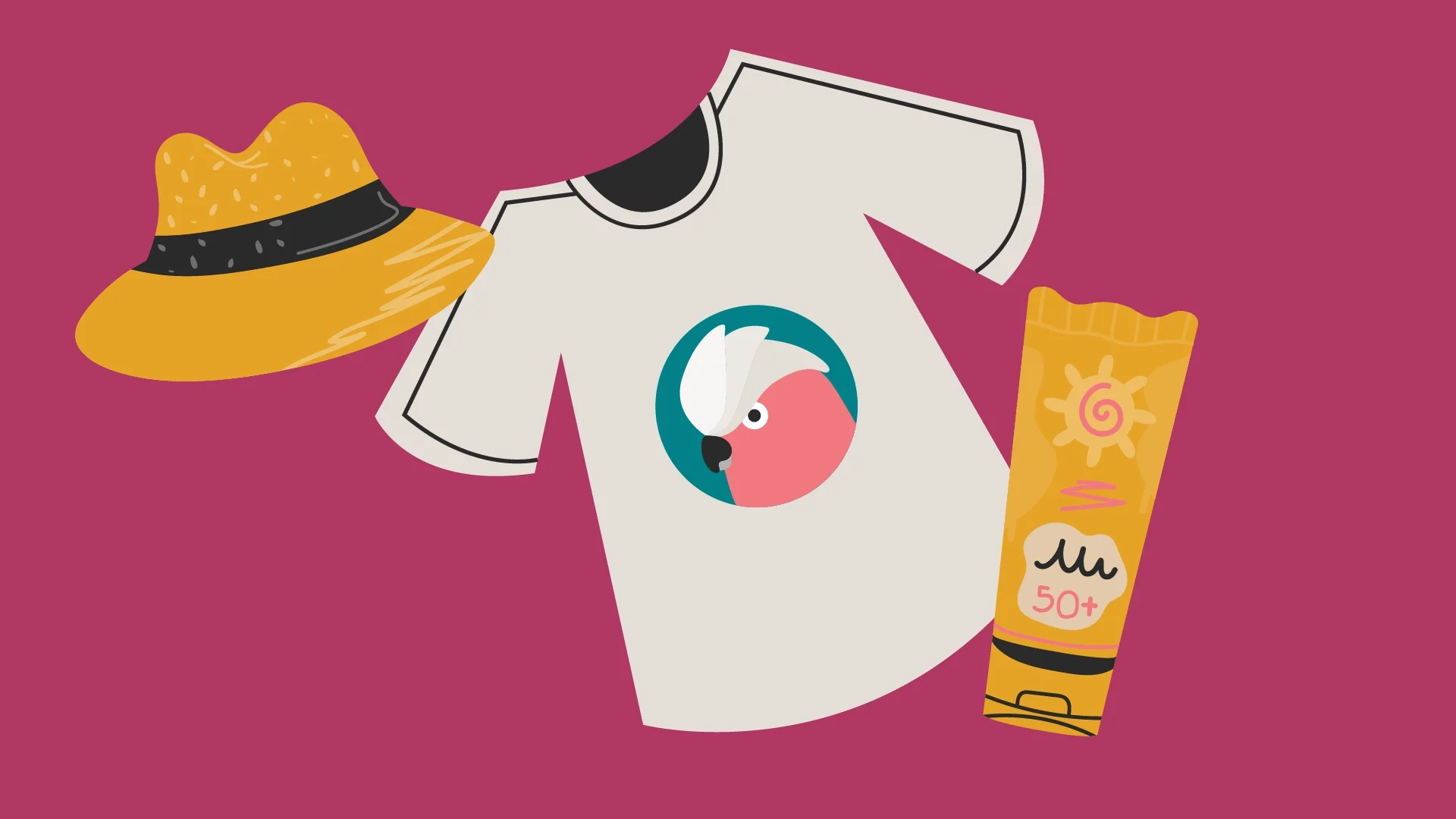
When out in the sun, remember to ‘Slip-Slop-Slap…Slip on a shirt, Slop on sunscreen, and Slap on a hat’ and seek shade.
Check weather conditions
Australia’s weather can change quickly. Before heading out for the day, going to the beach or out on the water, setting out on a hike, camping trip or road journey, it’s a good idea to check the latest forecasts from the Bureau of Meteorology (often called the BOM) online or download the app to your phone. The BOM provides reliable updates on temperatures, storms, heatwaves and severe weather warnings. Local councils also provide resources in severe weather events. If you’re visiting protected areas such as Parks Australia national parks, check the official park websites for alerts about track closures, fire danger, flooding and other conditions. A quick check before you leave can make your trip safer and far more enjoyable.
Never put your hand down a hole
This is a rule worth remembering. Australia is home to a wide range of animals that like to hide in holes, including snakes, spiders and other creatures that prefer not to be disturbed. If you see a hole in the ground, in a rock, or in a tree, keep your hands well away from it.
The safest approach is simple: look, but don’t touch.
Don’t touch the wildlife
Australia’s wildlife is incredible, but it’s best admired from a distance. Many Australian animals may look cute or harmless, such as the koala and kangaroo, but they are still wild. Feeding or approaching them can stress the animal and may also put you at risk. If you want to get closer and learn more about our Australian animals visit one of our wildlife parks or zoos.
In particular, never feed Dingo populations in places like K'gari (Fraser Island), where strict rules exist to protect both people and animals.
And if you’re near waterholes in northern Australia, be cautious, some areas are homes to the powerful Saltwater Crocodile.
Beware of swooping birds
During spring in Australia (usually August to October), some birds become very protective of their nests and may swoop at people who get nearby. The most famous of these is the Australian Magpie, a native bird known for defending its territory during breeding season.
While swooping can look dramatic, it’s usually just the bird trying to scare you away from its nest. You might notice cyclist helmets with cable ties sticking up out of them…that’s to deter magpies. If you encounter a swooping magpie, stay calm, and move away from their nesting area.
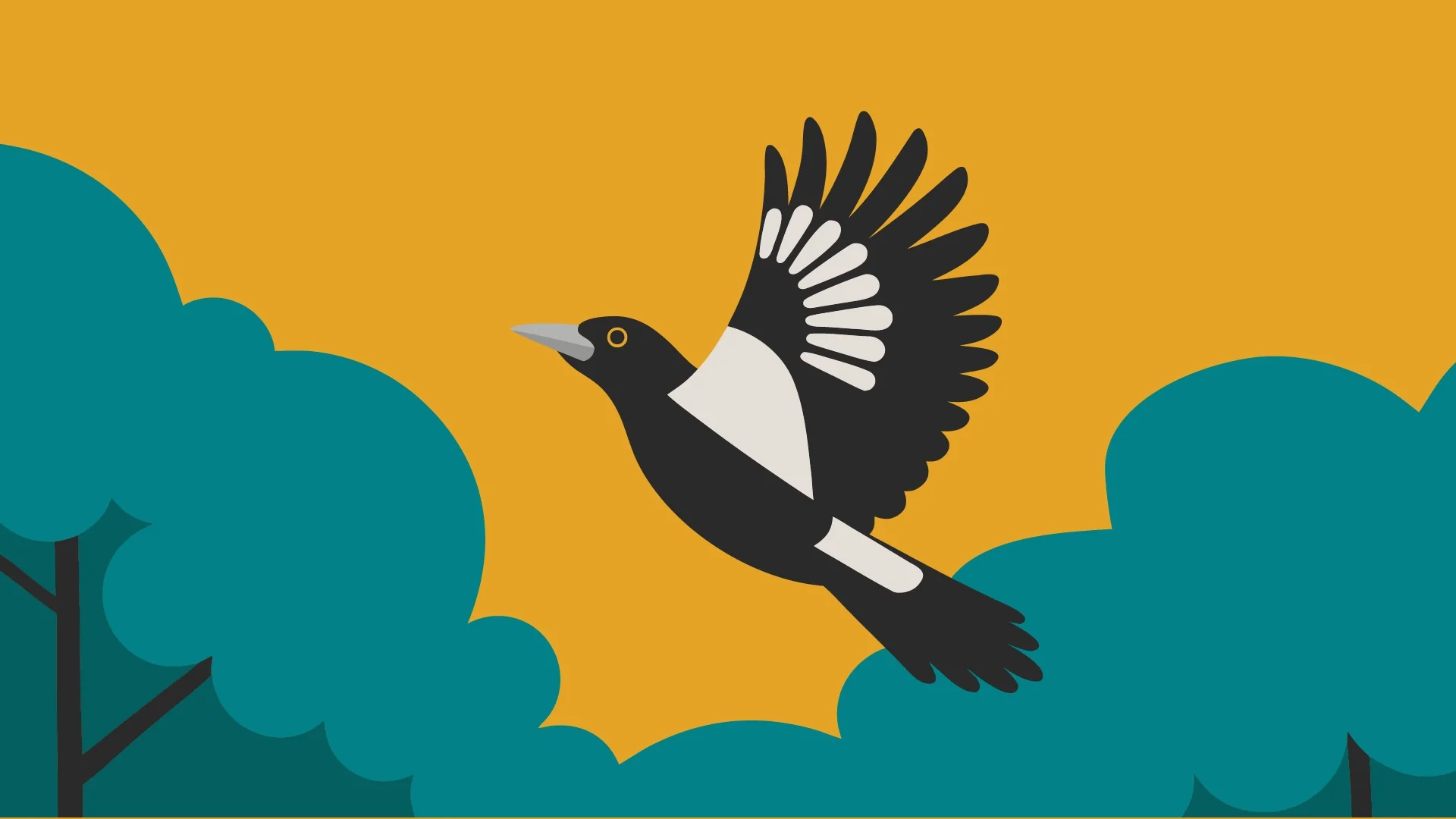
The Maggie (magpie) is renowned for swooping at spring time
Read the signs at the beach
Australia has some of the most beautiful beaches in the world, but they can also be dangerous with strong currents and surf conditions. Always swim between the red and yellow flags, which mark the area patrolled by lifeguards. These flags are placed where the conditions are safest for swimming. In northern Australia’s tropical waters, also pay attention to warnings about marine life such as stingers and in particular the Box Jellyfish.
If there’s a sign on an Australian beach, it’s there for a reason, so read it and heed it’s warnings.
Prepare good maps
Australia is enormous, and distances between towns can be vast. In many remote areas, mobile reception disappears quickly once you leave major cities. Having reliable navigation, whether digital or physical, is extremely helpful.
Stopping to ask for directions only works if there are people nearby.
Drive on the left side of the road
If you’re renting a car in Australia or just simply crossing the road, one of the most important things to remember is that Australians drive on the left side of the road. For visitors from countries where driving is on the right, this can take a little getting used to, especially at roundabouts, intersections and when turning onto busy roads. Take your time, stay alert, and follow the flow of traffic.
When in doubt, remember the simple rule: keep left.
Don’t drink alcohol and drive
Australia has very strict drink-driving laws, and police regularly conduct roadside breath tests, so if you plan to drink alcohol it’s safest to avoid driving altogether.
The beer is stronger than you think
Australian beer has a reputation for being refreshing and occasionally stronger than expected. Many visitors discover that Australian pints can be a little more powerful than they’re used to. Combine that with warm weather and sunshine, and it’s easy to underestimate how quickly a drink can affect you.
The survival strategy? Drink water, pace yourself, and enjoy responsibly.
Carry a stick
This is one of those bits of advice that Australians say with a smile. A walking stick can be useful for hiking, exploring bush tracks, and occasionally poking suspicious objects from a safe distance. Whether it’s checking long grass, clearing a path, or simply balancing on a trail, a stick can be surprisingly useful in the Australian outdoors.
Wear thick socks
Wearing thick socks and sturdy shoes when walking in the bush not only protects your feet and ankles, but is essential as Australia is home to many snake species that while they prefer to avoid people, may strike if accidentally stepped on.
Use insect repellent
In many parts of Australia, especially during warmer months or after rains, insects such as mosquitoes and flies can be quite persistent. When spending time outdoors, particularly near water, beaches, bushland or tropical areas, it’s a good idea to use a good quality insect repellent to avoid bites. Mosquitoes are most active around dawn and dusk, and in northern regions they can be present year-round. Apply repellent, wear light long-sleeved clothing can make outdoor activities far more comfortable, and keeping screens closed in accommodation can keep the insects out.
Air-conditioning is your friend
Australian summers can be intense, across the country, temperatures and humidity can climb quickly. Air-conditioning isn’t just a luxury, it’s often essential for staying comfortable. When travelling in summer, plan breaks in air-conditioned spaces such as cafés, shops or museums.
There’s always a Little truth in the story
Australians are famous for telling entertaining stories about their country, often exaggerating the dangers for dramatic effect. But even the most over-the-top stories usually contain a small kernel of truth. Australia’s landscapes are vast, its wildlife is unique, and its climate can be extreme.
Respect the environment, follow safety advice, and you’ll discover that Australia is not something to survive, it’s something to enjoy.
Don’t attempt Australian without our guides
Australian slang is legendary, but it can be tricky. Using phrases like “arvo,” “brekkie,” or “servo” incorrectly may confuse locals. Some Australians jokingly claim that only trained linguists should attempt it.
Of course, most Australians will appreciate the effort and join in, just be prepared for a few laughs along the way.
Want to understand Australians?
One of the most confusing parts of visiting Australia is the language. If you’d like to understand Aussie slang, everyday expressions and the cultural quirks that make Australia unique, explore our G’Day Galah Aussie Language Guides. They’ll help you understand locals and maybe even sound like one yourself.